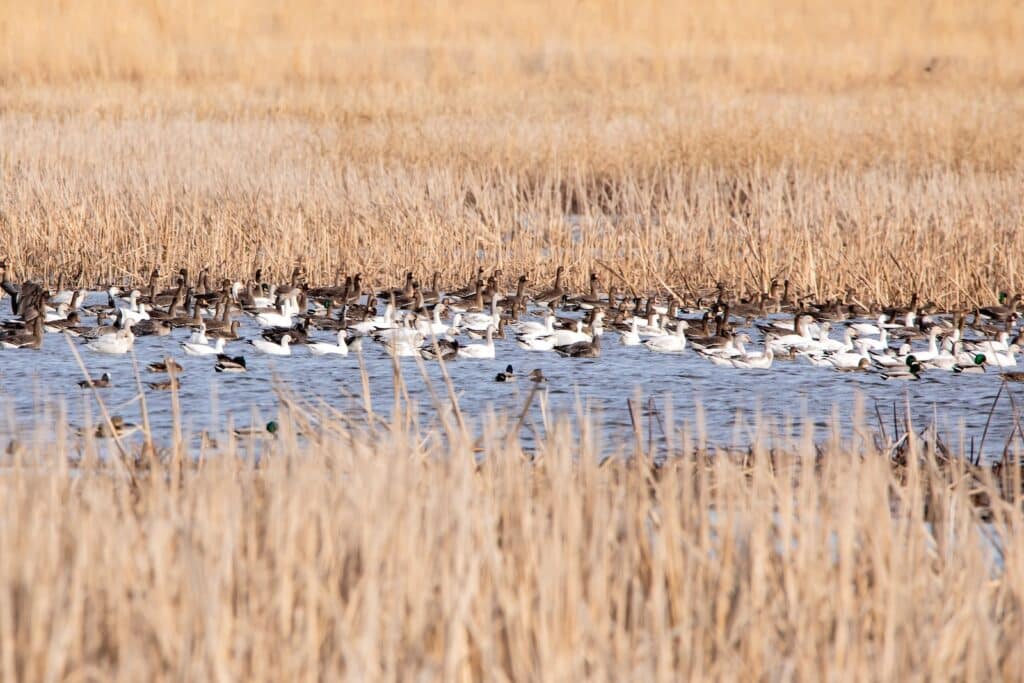
The Chesapeake Bay is one of the most important wintering grounds for waterfowl on the Atlantic Flyway, and the Eastern Shore around Rock Hall sits right in the middle of it. Nearby Eastern Neck National Wildlife Refuge has recorded peaks of more than 20,000 waterfowl on and around the refuge during the winter months, a number that shows just how much activity moves through this stretch of Maryland between October and March.
Staying at our Bed and Breakfast in Maryland puts you close to the best winter waterfowl watching experiences. Our 70 acres include several distinct ecosystems and more than 70 recorded bird species, and the walk from the house down to the water, along the Grassy Promenade, past Woodside Pond and the Wedding Pergola, is part of the regular birding here. Birdwatching is one of our favorite pastimes before breakfast.
The Cast of Characters
Canvasback ducks are among the most distinctive winter visitors to this part of the Bay, documented in strong numbers at Eastern Neck. They are diving ducks, disappearing below the surface to feed rather than tipping up like a mallard, and research on their winter diet in the upper Chesapeake shows they rely heavily on clams and other bottom-dwelling food, along with aquatic vegetation.
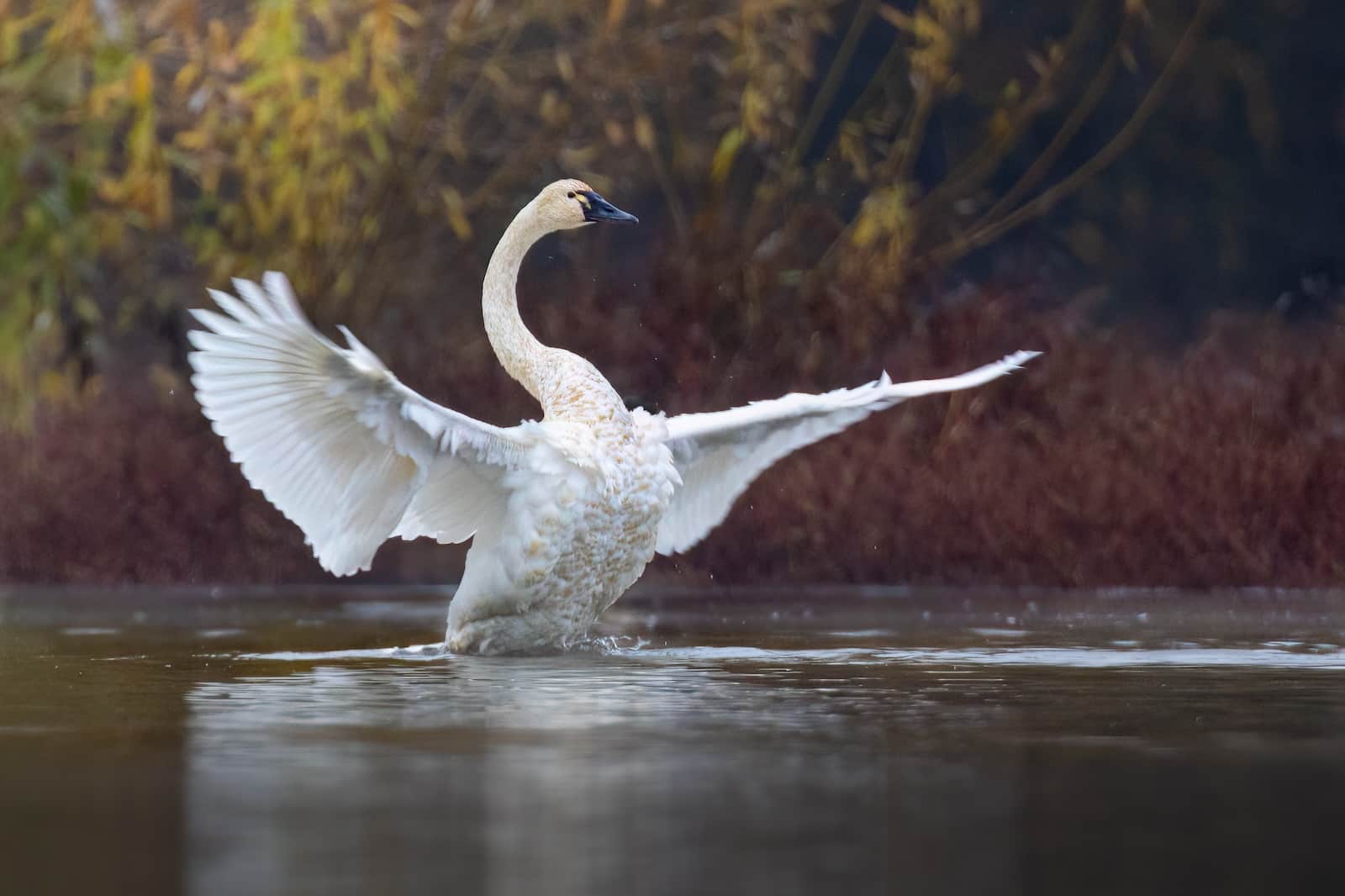
Mallards, black ducks, lesser scaup, and Canada geese round out the species most commonly documented in the region during winter, especially around the refuge. Tundra swans are the headline act at Eastern Neck, typically arriving in mid to late November and staying through the winter waterfowl season, which generally runs into March. If swans are the main draw for your trip, our guide to tundra swan migration season covers timing and viewing in more depth.
Bald eagles nest at Eastern Neck and are present at the refuge year-round, drawn in part by the same waterfowl that pull in birdwatchers. Ask at check-in about anything recent guests or the innkeepers have spotted. We can’t promise it on any given visit, but it’s part of what makes this stretch of the Shore worth watching closely.
A Short Walk to the Water
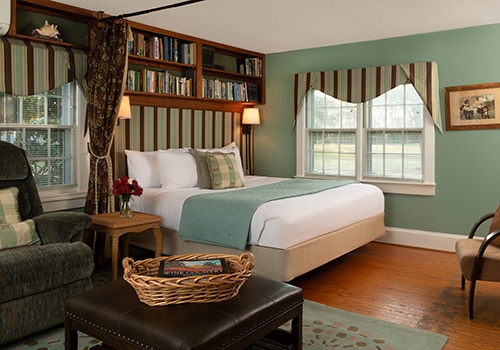
Birding here doesn’t require a long drive. The walk from the manor house to the waterfront, roughly a quarter mile along the Grassy Promenade, passes Woodside Pond along the way, and both the Grays Inn Room and the Pond Cottage look directly out over that pond if you’d rather watch from indoors with coffee in hand. Other rooms and cottages take in views across the lawns, fields, gardens, and woods that make up the rest of the property.
Our Bed and Breakfast is a comfortable and close-by base for watching whatever the Bay happens to bring through that day, and a good excuse to bring along a pair of binoculars.
Beyond the Grounds
For the most reliable concentrations of winter waterfowl, Eastern Neck National Wildlife Refuge is a short drive from the Inn. Our guide to the refuge covers what else is worth doing while you’re there, and mornings and evenings are generally the refuge’s own recommendation for the best chance of wildlife activity.
If regulated waterfowl hunting interests you more than birdwatching, the season and local outfitters are a different planning matter entirely. Our guide to waterfowl hunting guides near Rock Hall covers licensed guides and seasons for the Eastern Shore if that’s what brings you out this winter.
When to Visit
Winter waterfowl watching on the Eastern Shore runs broadly from October through March, with tundra swans arriving at Eastern Neck in mid to late November and most wintering waterfowl departing by the end of March. There’s no single confirmed peak week for this specific stretch of the Bay, so any stay in that window gives you a reasonable chance at spotting a bird on your list.
Make It Part of Your Winter Getaway
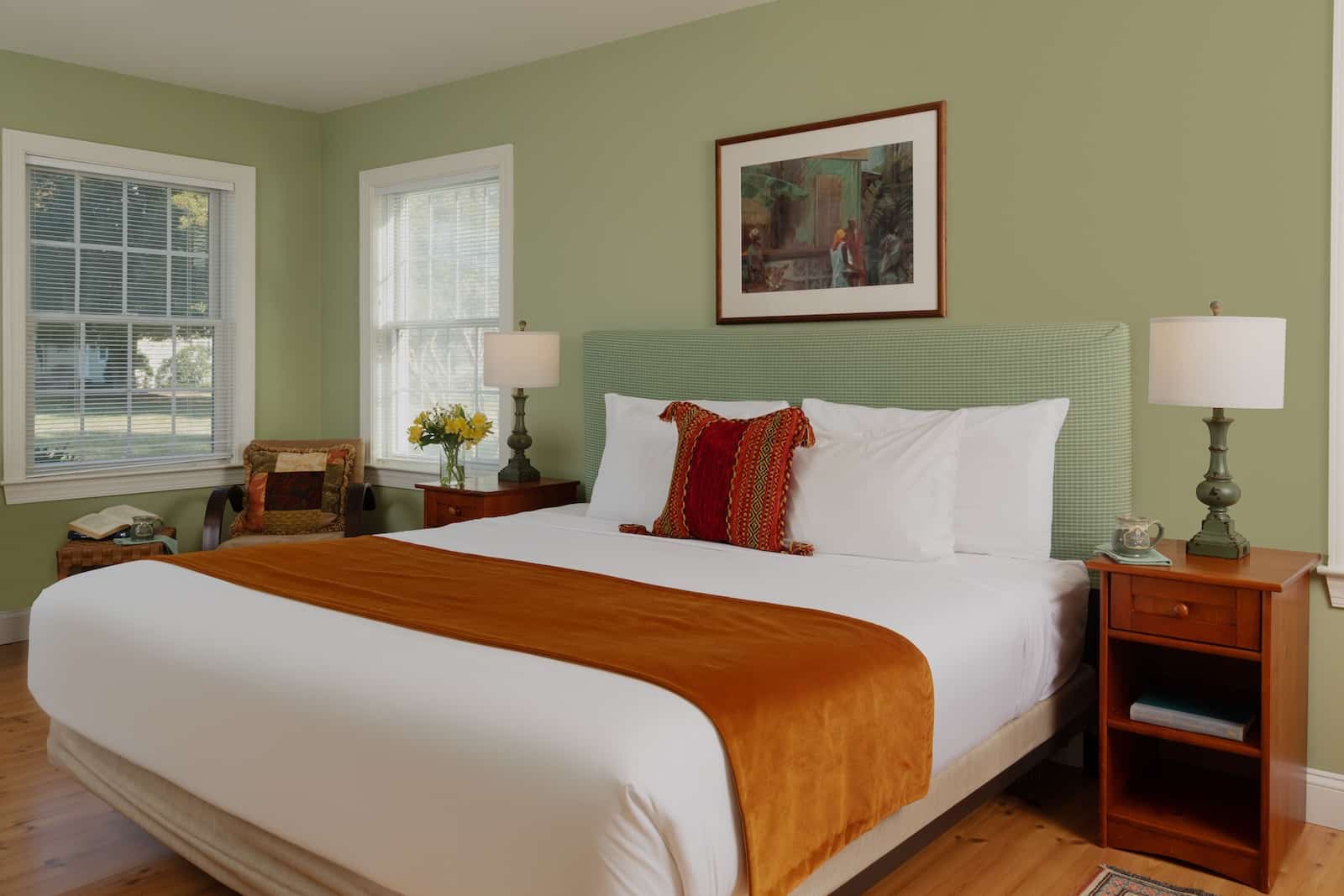
Waterfowl watching is only one thing to do in the area during winter. A winter stay here is best enjoyed with a fire in the cottage fireplace, a full breakfast before you head out, and days full of relaxation. If you are planning the rest of your trip around the season, our guide to winter on the Eastern Shore rounds out what else is worth doing nearby, from local restaurants to indoor options on the colder days.
As one of the best Bed and Breakfasts in Maryland, we’re a short walk from the water and a short drive from one of the best winter birding spots on the Shore. Book your winter stay today and start your birdwatching adventure at the inn!
Frequently Asked Questions
What time of day is best for winter waterfowl watching on the Chesapeake Bay?
Morning and evening are generally recommended for wildlife activity at Eastern Neck National Wildlife Refuge, and that holds true for the wider area as well. Neither is a guarantee, just a reasonable window to plan around.
Do I need a car to see waterfowl during my stay?
Not necessarily. The grounds and the walk down to the water are part of the property, and birding here doesn’t require leaving it. A car becomes useful if you want to add Eastern Neck National Wildlife Refuge to your trip, which is where the largest documented concentrations are.
What waterfowl species are most common on the Bay in winter?
Canvasback ducks, mallards, black ducks, lesser scaup, and Canada geese are all documented in the region during winter, especially around Eastern Neck. Tundra swans concentrate at the refuge beginning in mid to late November.
Is winter a good time to visit if birdwatching isn’t my main interest?
Yes. Winter also means a fire in the fireplace, a full breakfast to start the day, and quieter grounds, with waterfowl watching as something you can take or leave depending on the morning.
Ready to see it for yourself? Book your winter getaway and let the Bay do the rest.